First-generation farmer connecting local communities with chemical-free, seasonal produce
.png)
Pigface Farm is a small-scale chemical-free farm in the Clarence Valley, built from one woman’s decade-long health journey to reconnect with food, soil and community through seasonal growing and regenerative practices. Explore how Pigface Farm is supporting food security through chemical-free farming, seasonal produce and local community connection..

.png)
A personal health crisis is the fuel that ignites many life changes. Our perspective shifts, and we’re reminded that good health is the foundation of a good life.
This is exactly what stirred Peta Furyk to question where her food was coming from. And the answer? Well, it rattled her deeply. The more she learned about industrial food systems and the disconnect between people and the land, the more determined she became to understand how food could be grown differently.
And so began a decade-long quest to live and learn on the land. ‘I spent all of my spare time for the next 10 years volunteering, interning and attending workshops on farms across the world, before it was time to start my own farm dream,’ Peta explains.
After years spent learning from growers and regenerative farming communities, Peta was ready to put those lessons into practice on her own piece of land, and Pigface Farm was launched in Clarence Valley in 2024.
.png)
First-generation farmer learning the ropes
Peta describes herself as a ‘rookie female farmer having a go and sharing food and growing skills with the community.’ In fact, she has a background in tourism and event management. But it was while travelling abroad, managing a wilderness lodge in the remote North West Territories of Canada, and a surf retreat on a permaculture property in El Salvador, in between volunteer stints on a coconut plantation in Sri Lanka, a family farm in South Africa and a pig property in Hawaii, that she first started to learn about the importance of soil health. When she returned to Australia, she was offered an opportunity to move to Lord Howe Island to work at another remote lodge.
Peta says, ‘These experiences taught me the importance of self and community, sufficiency when access to food and resources are limited. [They also] spurred my drive to develop more farming skills and I took off abroad once more, growing veggies in Spain, learning natural building in Nicaragua and milking goats in Mexico. Returning to Australia, I landed my dream internship with Jonai Farms in Victoria, practising agroecology and meatsmithing on a market garden start-up and pasture-raised pork enterprise.’
It was a huge challenge to learn these new skills, because she knew very little about farming at the start. But she wasn’t afraid to learn.
‘Being a first-generation farmer [meant I had] no ingrained farming knowledge or access to land/resources,’ she says. Peta took the time to learn how to work with the seasons and soil to grow food for her local community.
Pigface Farm is still growing and learning. Peta is learning what she can while her farm grows, expands and diversifies. It meant a lot of risks and a lot of lessons learned. But for Peta, the rewards far outstrip anything else.
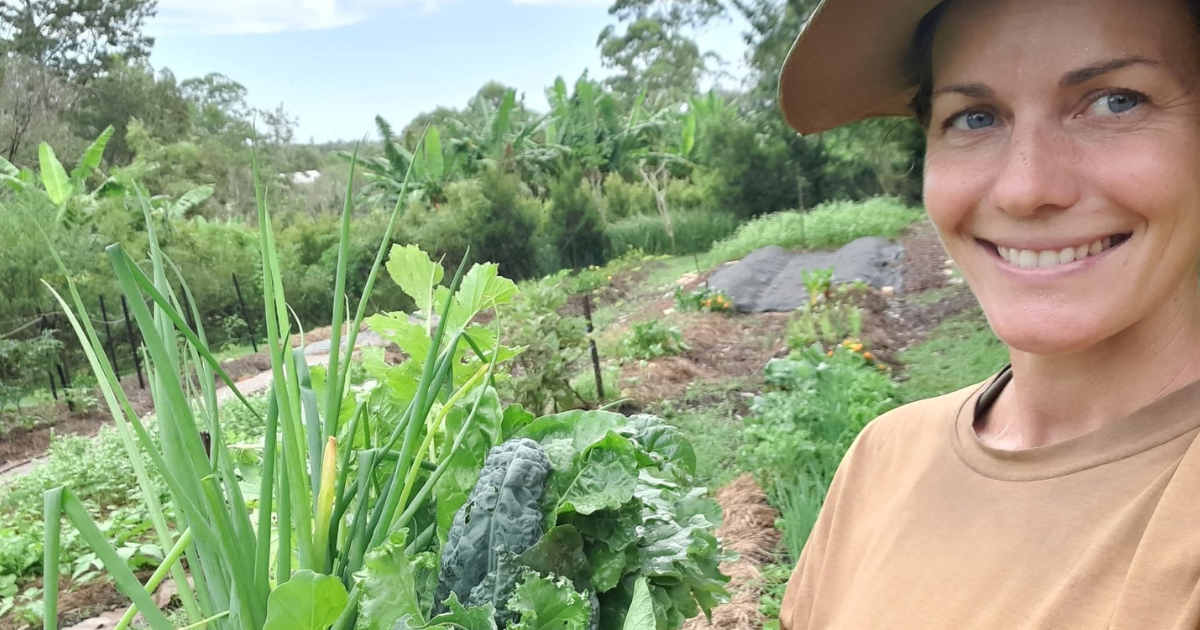
Keeping community front and centre
Peta has humble ambitions, wishing for nothing more than to provide bountiful, chemical-free produce to her local community.
Peta’s hope is to share and connect with the Clarence Valley community. ‘Food security for myself and my community is at the forefront of what I do.
‘My farming endeavour is unique in that it’s small-scale, low-impact, minimal input and dedicated to only supplying the local community and making sure the farming fits my lifestyle,’ she explains.
‘I do what I do because I love working on the land and being in sync with nature. By no means do I intend to go big or get rich. Health is wealth, and food is health.’
‘I now lease a 25-acre property, where I run a market garden growing seasonal veggies, along with pasture-raised laying hens, citrus and mango orchard, syntropic rows of fruit and veg crops, and a couple of cattle and pigs on pasture.’
Supporting the soil
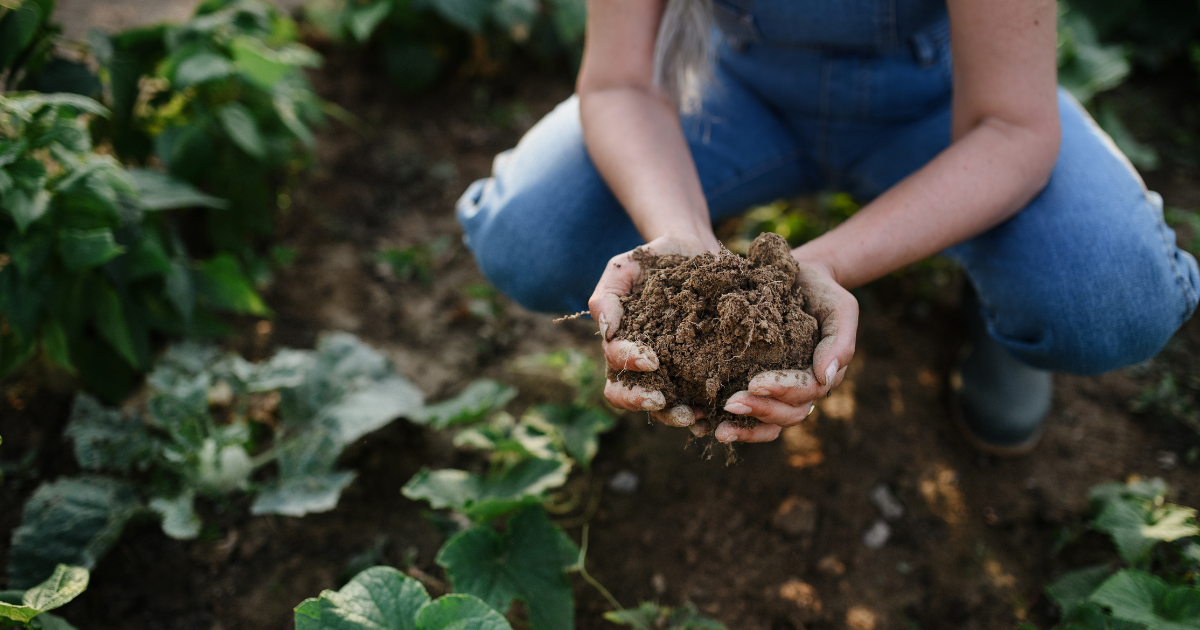
Peta is dedicated to regenerative practices, such as chemical-free and minimal-till methods that help protect soil structure, reduce erosion, and support the microorganisms that keep the soil healthy and productive. She also focuses on a closed-loop system where possible, supporting nutrient cycling on the land through composting, natural inputs, and careful resource use.
Peta says, ‘Nature knows best, so we avoid chemicals at all costs! We farm in sync with the seasons and sustainable available resources.’ She believes these approaches help build healthier soil, improve water retention and support a stronger farming system and food system.
.png)
Growing local knowledge and resilience
Like many small-scale producers across the Northern Rivers, Peta’s work extends beyond simply growing food. It’s also about rebuilding local knowledge, strengthening community resilience and helping people reconnect with where their food comes from.
That’s part of why networks like Vitality Farms matter. They create visibility for growers who are doing the work quietly, often on a very small scale, while also helping strengthen the relationships that local food systems depend on to survive and grow.
This is a great fit for Peta and Pigface Farm. She says it’s important ‘to rely on networking skills, and following your intuition over books or podcasts.’ A strong community can help you do just that.
What’s next
Peta is thrilled with her role as a ‘rookie farmer’ and can’t wait to see Pigface Farm grow and establish deep roots. Peta hopes to soon begin hosting farm tours and workshops, giving more people the opportunity to learn about seasonal growing, soil health and small-scale farming firsthand.
Download our Prospectus
Enter your details below to download our latest Vitality Farms Northern Rivers Prospectus 2026.
Please try again.
Vitality Farms Northern Rivers exists to help the region lead with greater visibility, stronger connection and a more trusted shared identity.
Join the movement — Connect with us today.
Download the Prospectus
Fill out your details below and we will send you our latest prospectus!
Please try again.