Native Bees: The small creations holding together vital systems
.png)
The Australian Native Bee Company is supporting ecological restoration through native bees, education and community awareness.

.png)
Most Australians are familiar with European honey bees. Far fewer realise Australia is home to more than 1,700 species of native bees, many of them tiny, stingless and quietly performing critical work in our food and soil ecosystems every day.
For Steve Magginity, Director at The Australian Native Bee Company, and the entire team as well, helping people understand that role has become the foundation of something much bigger than beekeeping alone.
Through native beekeeping, education and habitat restoration, Australian Native Bee Company is helping people reconnect with the small but essential species supporting healthy landscapes and food systems across Australia.
From a practical solution to a purposeful mission
Australian Native Bee Company first began working with native bees in 2008. Steve had first worked with native bees while he was teaching agriculture in high school. He wasn’t permitted to keep European bees on site because some of the students were at risk for severe allergic reactions.
He says, ‘Native bees worked better in the teaching environment as they are stingless. I also found out that the species of social bee that I was working with (Tetragonula carbonaria) are the prime pollinators of macadamia in nature.’
It turns out that our lovely, tiny native Australian bees were a practical solution and ecological powerhouse that simply can’t be beat. Australia is home to more than 1600 species of native bees, each playing a unique role in supporting biodiversity and healthy ecosystems. Steve says, ‘The variance of bee species means that pollination across a broad range of plants will be achieved. The more pollination, the greater the amount of food available within.’
What started as a practical solution in the classroom quickly evolved into a broader mission: raising awareness of Australia's native bees and championing the role they play in biodiversity, food resilience and the long-term health of our environment.
.png)
Small pollinators supporting bigger systems
Native bees may be small, but their role within ecosystems is significant. Pollination supports not only food production, but also biodiversity, seed production and the ongoing health of natural landscapes. As habitats decline and ecosystems face increasing pressure, protecting pollinator populations becomes increasingly important.
For example, since the arrival of the Varroa mite in Australia in 2022, the European honey bee industry has faced significant challenges. While native bees can't pollinate every crop that European honey bees can, they are highly effective pollinators for certain Australian crops, including macadamias.
The more Steve and the team learned about native bees and their role in pollination, the clearer it became how little visibility these species were receiving despite their importance to Australian ecosystems.
He says, ‘Utilising native bees in home gardens, education facilities, community gardens, ecological restoration projects, as well as broader scale food production systems helps to ensure production, food security and ecological resilience.’
Because of this, over time, their work expanded beyond beekeeping itself into education, habitat restoration and community engagement.
‘The Australian Native Bee Company exists to restore and enrich Australia’s natural landscapes through native bees, education, and sustainable practice…what matters most is spreading the word about the importance of native bees and helping people understand how much they contribute to biodiversity, pollination and healthy ecosystems,’ Steve says.
Education is at the centre of ecological restoration
For The Australian Native Bee Company, education is not an add-on to the work. It is the work.
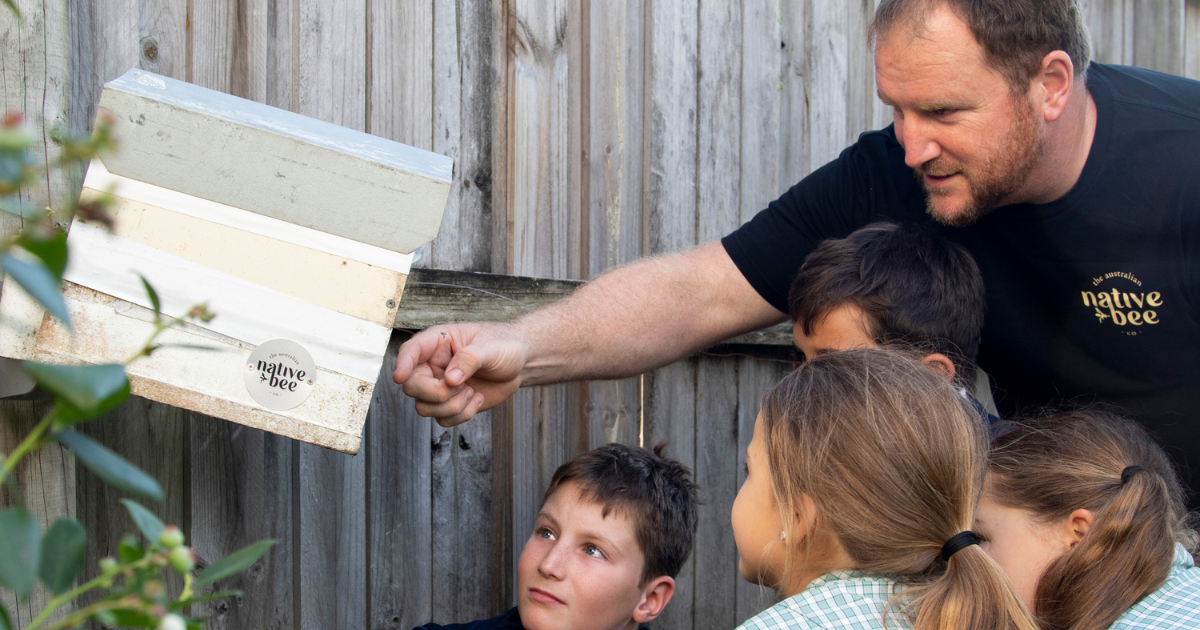
Through workshops, school engagement, community conversations and hands-on experiences with native bees, the organisation is helping make often invisible ecological systems more visible and accessible.
Steve has found this is especially important for children, many of whom have little direct connection with pollinators, food production or the ecosystems operating around them every day.
Steve says, ‘Often, when people hear the word “bee” their previous experiences make them cautious or scared, but time with these bees brings fascination. Some people stare at their bees for hours, watching them come and go as they go about their daily activities.’
Those moments of curiosity matter because they help build a deeper understanding of how interconnected food systems, biodiversity and human wellbeing really are. In many ways, native bees then become a gateway into much bigger conversations about habitat, stewardship and the health of local ecosystems.
Bees in the bigger picture
The Australian Native Bee Company’s work aligns closely with broader conversations happening across the Northern Rivers around ecological restoration, food resilience and reconnecting communities with the systems that sustain them.
As Steve says, ‘We’re interested in creating living examples of what is possible when nature and enterprise work together.’ This includes placing bees in preschools, primary schools, high schools or community groups. He goes on to say, ‘The combination of learning of participants and activity of the bees creates real-world examples of how environmental education, biodiversity, food production and community connection can work hand in hand. [And] the use of native bees for pollination in food production systems helps increase productivity while sustaining the bees.’
And that’s just what they’re doing by helping to strengthen ecological awareness at a community level while making the relationships between pollinators, biodiversity and food systems more visible.
That visibility matters because healthy food systems depend on much more than farming practices alone. They also rely on healthy ecosystems, functioning pollinator populations and communities that understand the role they play in protecting them.
.png)
What’s next
The Australian Native Bee Company is continuing to expand its education and awareness work, with a growing focus on workshops, community engagement and helping more households and organisations integrate native bee habitats into everyday spaces. This includes running a pollination service and working closely with educational institutions and industry partners, including the University of Western Sydney, to help improve the emerging native bee industry.
At the centre of the work remains a simple but important idea: small species can have an enormous impact when healthy ecosystems are supported and understood. And sometimes, reconnecting people with nature starts with something as small and as a native bee.
Download our Prospectus
Enter your details below to download our latest Vitality Farms Northern Rivers Prospectus 2026.
Please try again.
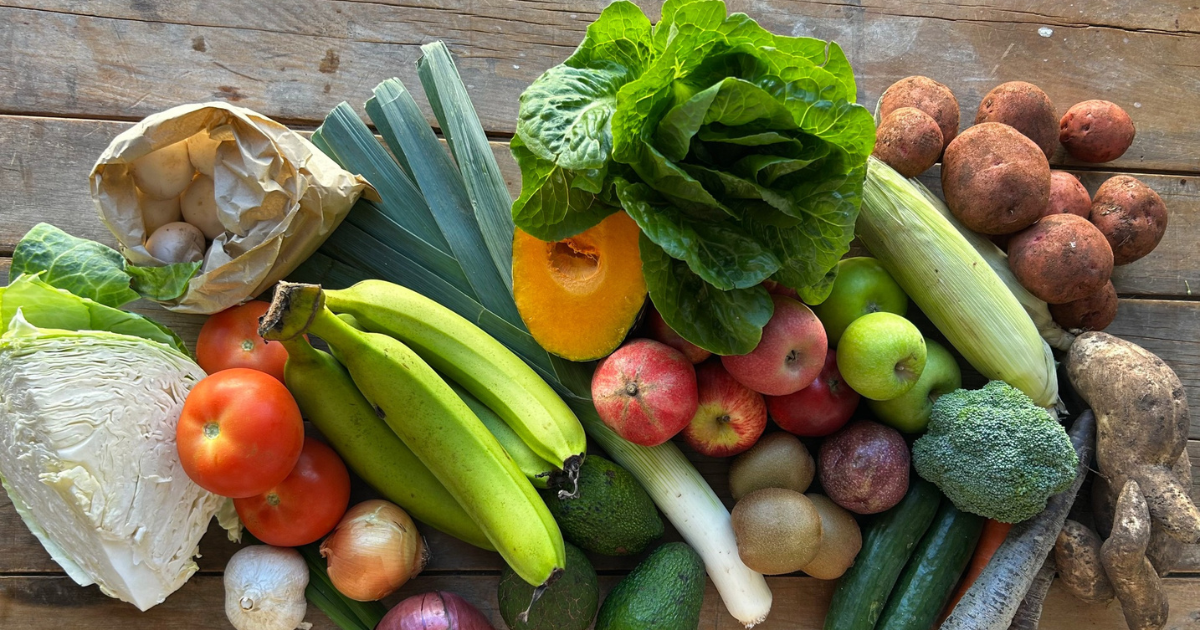
Vitality Farms Northern Rivers exists to help the region lead with greater visibility, stronger connection and a more trusted shared identity.
Join the movement — Connect with us today.
Download the Prospectus
Fill out your details below and we will send you our latest prospectus!
Please try again.