Storytelling for Producers: Building Trust, Visibility and Understanding
.png)
Discover how storytelling helps farmers and food producers build trust, educate consumers, advocate for their industry and grow visibility through VFNR membership.

Every farm, food business and regional enterprise has a story.
It may be the story of a family continuing a tradition, a grower rebuilding soil, or a maker turning local produce into something with greater value. For many farmers, growers and food producers, however, these stories are rarely shared.
When you are focused on production, weather, livestock, harvests, compliance and customers, storytelling can easily fall to the bottom of the list. You may also feel that what you do is simply part of everyday life and not particularly interesting. But to customers, retailers, chefs and the wider community, the story behind your product can be just as important as the product itself.
Effective storytelling helps producers build trust, communicate value and strengthen visibility. It also plays an important role in advocating for farmers and educating consumers about how food is produced, what it takes to run a farm and why local and regenerative food systems matter.
Your story is part of the value of your product
People increasingly want to understand where their food comes from.
They want to know who grew, raised or made it. They are interested in how the land is managed, why certain ingredients were chosen and what values guide the business.
For producers working with regenerative agriculture, sustainable farming, local ingredients or ethical production, storytelling helps customers understand why one product may be different from another.
A jar of preserves means more when the customer knows it was created using surplus local fruit that may otherwise have gone to waste.
A piece of meat carries greater meaning when the buyer understands the care given to the animals and the landscape.
A produce box becomes more than a collection of vegetables when customers know the growers, seasons and challenges behind each harvest.
Storytelling makes that value visible.
It is not about inventing a polished marketing narrative. It is about honestly communicating the people, place, purpose and practices behind what you produce.
.png)
Storytelling helps people understand farming
There is often a significant gap between how food is produced and what consumers understand about that process. Many people have limited exposure to farming. They may not see the effects of weather, labour shortages, transport costs, regulation, processing constraints or seasonal uncertainty.Without that understanding, customers can struggle to recognise why local, small-scale or responsibly produced food may cost more than mass-market alternatives.
Producer storytelling helps close that gap.
It gives farmers and makers a way to explain what happens behind the scenes, why certain decisions are made and what is required to produce food responsibly.This is important not only for marketing, but also for advocacy. When producers share real stories about their work, they help create a more informed public conversation about food security, land stewardship, regional economies, fair pricing and the future of farming.
Why storytelling matters for producers
Good storytelling can strengthen many parts of a business. It can help a producer stand out in a crowded market, explain pricing and build loyalty with customers who connect with the values behind the product.
It can also attract retailers, chefs, distributors, media, tourism partners and other collaborators.
People may initially buy something because they like the product, but they often return because they feel connected to the people and purpose behind it. A strong story can also support grant applications, awards, partnerships and conversations with decision-makers by clearly showing the broader value and impact of the business.
You do not need a dramatic story
One of the biggest barriers to producer storytelling is the belief that your story is not interesting enough. What feels ordinary to you may be completely new to someone who has never visited a farm, spoken with a grower or seen how food is made. Your story does not need to involve a major challenge or extraordinary success.
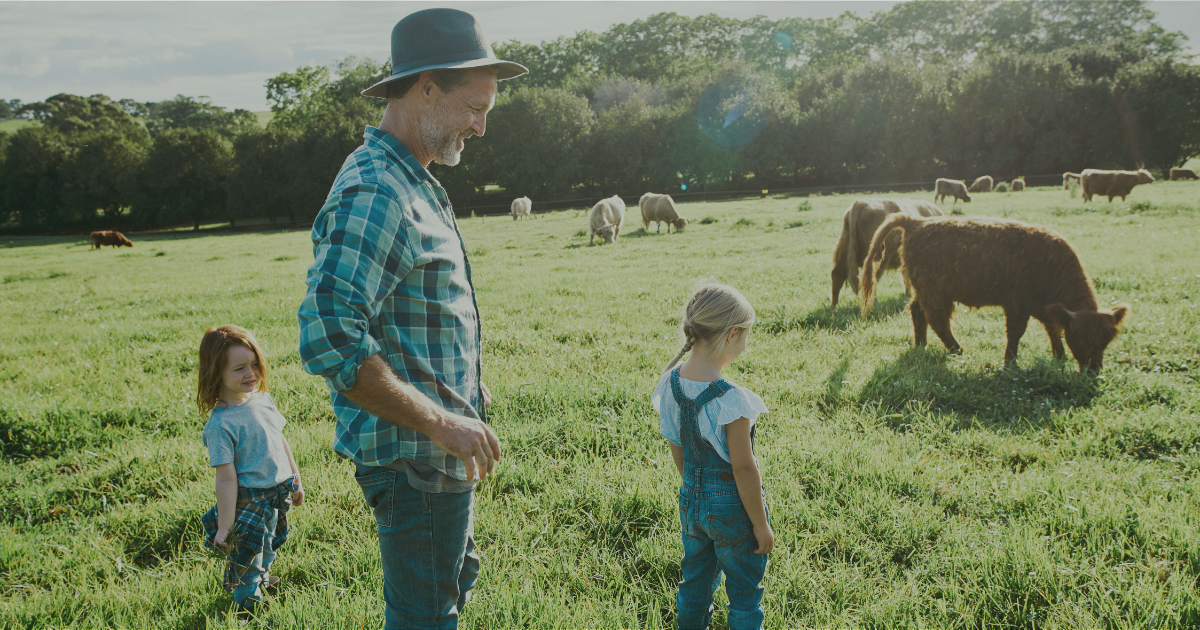
It could begin with why you chose to farm, how your practices have evolved, what you have learned from the land or why you selected a particular crop, breed or production method. You might share a seasonal challenge, a change you have made to improve soil or biodiversity, or what it takes to get a product from the paddock to the customer. Behind-the-scenes moments can be just as valuable. A planting day, a new calf, the first harvest of the season or the development of a new product can all help people feel closer to your business.
What makes a strong producer story?
Most effective producer stories include five simple elements: people, place, purpose, process and impact.
People are at the heart of the story. Who is behind the business and what do they care about? Place gives the story context. How do the landscape, climate, soil and community influence what you produce?
Purpose explains why the work matters. What are you trying to protect, improve or create? Process shows the care, knowledge and skill involved, while impact helps people understand how the business supports the environment, regional economy or wider community.
A useful starting point is to answer four questions: Who are you? What do you produce? Why do you do it? Why should people care?
The answers do not need to be perfect. They simply need to be genuine.
One story can work in many places
Producer storytelling does not need to become another large, time-consuming task. One well-developed story can be adapted across your website, social media, newsletters, packaging, market signage, wholesale presentations and media opportunities.
A longer producer profile can become several social media posts. Quotes can be reused in newsletters or promotional material. Images from a farm visit can support website content, retailer collaborations and grant applications. This allows one storytelling investment to keep working across the business over time.
Keep it clear, specific and real
Authenticity is usually more powerful than polish. You do not need to sound like a large company or rely on complicated marketing language.Producer stories are often most effective when they are personal, conversational and specific. Instead of saying your business is committed to sustainability, explain what you actually do. Talk about how you build soil, manage water, support pollinators, reduce waste or work with other local businesses.
It is also important not to assume customers already understand farming terminology or why certain practices matter. Clear explanations help people make more informed choices and better understand the true value of food. You also do not need to wait until everything feels perfect. Customers are often interested in the journey, including what you are learning, changing and working towards.
.png)
Helping VFNR members tell a stronger regional story
Storytelling, advocacy and consumer education are central to Vitality Farms Northern Rivers. We know many producers do not have the time, confidence or resources to manage ongoing marketing while also running their businesses. VFNR members can access a growing range of benefits designed to improve visibility, strengthen connections and make professional support more accessible.
These may include producer stories, member profiles, social media content, promotional opportunities and discounted access to selected services, workshops and events.
By bringing these stories together, VFNR can help consumers better understand how food is produced, why local and regenerative farming matters, and what challenges producers face. It also creates a stronger collective voice for Northern Rivers farmers, growers, makers and supply-chain businesses. Your story matters on its own, but it becomes even more powerful when connected to the story of a region.
Join Vitality Farms Northern Rivers and help us build a more visible, understood and supported regional food system. Contact us today to find out more!
Download our Prospectus
Enter your details below to download our latest Vitality Farms Northern Rivers Prospectus 2026.
Please try again.
Similar Articles
Vitality Farms Northern Rivers exists to help the region lead with greater visibility, stronger connection and a more trusted shared identity.
Join the movement — Connect with us today.
Download the Prospectus
Fill out your details below and we will send you our latest prospectus!
Please try again.